Cold Tins, Warm Rooms: The Northern Wedding Bar Grows Up

There is a moment at many northern weddings when the drinks reception stops being charming and starts being a queue. The Prosecco tower has been assembled, the glasses have been counted, and someone is trying to keep a tray of fizz cold with a tea towel and hope. By the time the photographs are done, the bubbles are warm and the bar has a line that stretches past the sign for the car park.
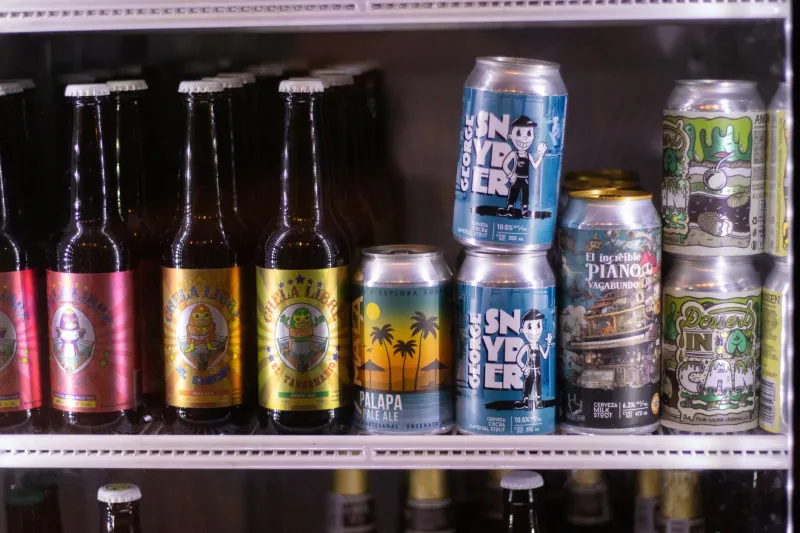
In 2026, more couples across the north are looking at that scene and deciding there is a better way. Canned cocktails — proper ones, not a novelty tin of something fluorescent — are moving from festival coolers and train picnic bags into the wedding drinks reception. The appeal is not just fashion. It is cost, logistics and a quiet northern instinct that hospitality should feel generous rather than theatrical.
The warm Prosecco problem
A wedding bar has to do a lot of work in a short space of time. Guests arrive after the ceremony, often from a church or a registry office, and they want a drink in their hand before the canapés run out. The traditional answer is a reception drink, usually something sparkling, served from trays or a tower.
The problem is not Prosecco itself. The problem is what happens when you ask a venue or a marquee bar to serve 90 people in 20 minutes. Glasses need to be chilled, bottles need to be opened, staff need to pour, and the whole thing depends on a chain of cold storage that may or may not exist behind the temporary bar. The result can be flat, warm or both. No couple wants their first act as hosts to be a warm drink and a longer wait.
Cans do not solve every wedding problem. They do, however, remove a few moving parts. A can is a sealed single serve. It stays cold for a sensible amount of time, it does not need a glass to be opened, and it can be handed to a guest without a member of staff doing three things at once. For a marquee in a field outside Skipton, or a village hall with one small kitchen fridge, that practical difference matters.
Doing the sums: cost per head without the theatre
The financial case is where canned cocktails start to look genuinely interesting — provided couples do the maths properly rather than simply comparing a can with a bottle.
A rough guide for 2026: a decent bottled cocktail or sparkling wine reception drink can work out at anything from £6 to £12 per head depending on the venue, the corkage arrangement and the staffing. Cans purchased directly from a maker or a good drinks retailer often sit in the £4 to £7 range for a 250ml or 330ml serve, though catering markups and delivery will change that. If you are buying 100 cans, those differences add up fast.
The key is to plan by serves, not by bottles. Ask how many drinks each guest is likely to want during the reception — usually one on arrival and one top-up — and then add a sensible margin. For an 80-guest wedding, that might mean 120 to 140 cans rather than 80. It sounds like a lot until you compare it with the cost of a full bar tab and the wasted half-bottles at the end of the night.
Couples should also ask about minimum spend, corkage and whether the venue will allow them to supply their own cans. Some venues will, some will not, and some will charge a fee per head for the privilege. A can that looks cheap online can become expensive once corkage is added. The honest calculation is the one that includes every charge, not just the retail price.
Working with northern makers
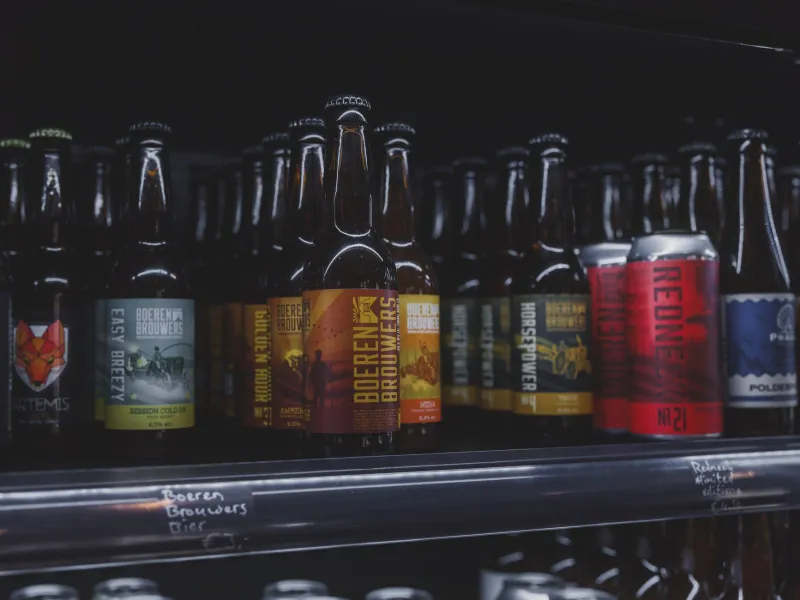
The best wedding cans are not picked from a supermarket shelf at the last minute. They are chosen with the same care as the wine list or the evening playlist. In 2026 there is a growing number of small northern drinks makers producing canned cocktails, from ready-made negronis to low-alcohol spritzes and whiskey highballs.
Couples can work with a local maker on a simple bespoke run, often with a custom label or a favourite flavour. It does not need to be complicated. A welcome tin of something citrus-forward for the reception, a low-alcohol option for the guests who are driving, and a couple of stronger serves for the evening can cover most crowds without turning the bar into a menu.
The northern angle here is not just geography. It is the preference for drinks that taste like something and do not rely on sugar to carry them. A well-made canned cocktail should be balanced, chilled and easy to drink without being forgettable. If the couple are proud of the maker, that comes across to guests. A can with a story behind it feels more like hospitality than a pallet of anonymous fizz.
Keeping tins cold in a marquee
This is the part that separates a good idea from a good drinks reception. Cans are convenient, but they are not magic. In a marquee in July, direct sunlight is the enemy. In a village hall with limited power, ice is the currency.
A practical setup usually involves insulated bins or coolers, plenty of ice, and a rotation system so that the cans being served are always the cold ones. Do not empty every box onto a table at once. Keep the stock in the shade, top up the serving bins as needed, and make sure someone is responsible for checking the temperature rather than assuming it will be fine.
If the venue has a fridge, use it. If it does not, hire a chill trailer or ask the caterer what they can provide. The cost of proper cold storage is almost always less than the cost of a warm drink and a disappointed guest. And if the wedding is in a field, think about drainage and flooring. A bin full of melting ice needs somewhere sensible to sit.
The taste question
There is a lingering suspicion that canned cocktails are a compromise — something you drink at a festival because there is no bar, not something you serve at a wedding. That reputation is out of date. The best cans on the market in 2026 are made by people who understand dilution, balance and serve temperature. They are not the same as a freshly shaken cocktail, but they are a long way from the sugary alcopops of the past.
The couple's job is to taste before they buy. Order a mixed case, try the options cold, and think about the food. A smoky mezcal number may be wonderful on its own but odd with a roast dinner. A light spritz is a better fit for a summer reception than a heavy espresso martini at 3pm. If the wedding has a northern winter edge — a fireside reception, a pie supper — the cans can lean darker and richer.
The northern hospitality test
The real test of any wedding bar is whether guests feel looked after. Cans should add to that feeling, not replace it. A wedding favour of one can per place setting is a nice touch. It is not the same as a free drink on arrival, and couples should not let the novelty of a personalised tin hide the need for a proper drinks plan.
That means offering a clear non-alcoholic option, plenty of water, and enough choice for people who do not drink spirits or beer. It means telling guests what is available, whether through a simple sign or a note on the table. And it means staffing the bar properly. A self-serve tub of cans is fine for the evening, but the reception still needs someone to keep it tidy and cold.
A practical checklist for 2026 couples
- Count by serves, not bottles. Plan for one arrival drink and one top-up per guest, then add 20 per cent.
- Ask the venue about corkage, minimum spend and whether outside cans are allowed.
- Taste before you buy. Order a mixed case and try the cans properly chilled.
- Check the cold chain. Insulated bins, ice, shade and a rotation plan are not optional.
- Include a low-alcohol and a non-alcoholic option that actually tastes good.
- Keep the favour separate from the reception drinks so guests do not feel shortchanged.
- Talk to a local maker if you want a bespoke label or a flavour that matches the day.
The warm Prosecco tower is not going to disappear overnight. Some couples will always want the ritual of a glass passed from a tray, and that is fine. But the 2026 northern wedding bar is becoming more practical, more local and a little less precious. A cold tin, chosen well and served properly, can be a generous thing. It can also mean the first drink of the day is the one guests remember for the right reasons.