The Last Mile Tin: A Winter Walking Plan for Canned Cocktails in the Northern Fells
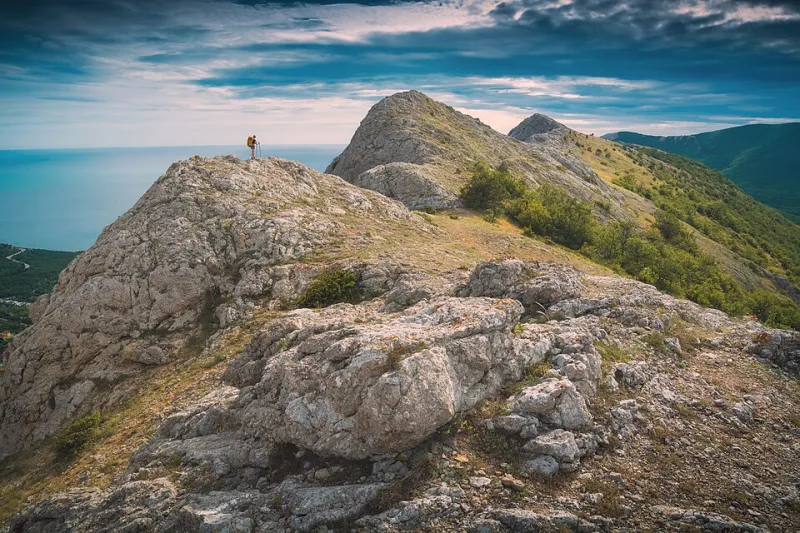
Photo: Vian, CC BY-SA 4.0, via Wikimedia Commons
Winter walking in the North has a rhythm: short daylight, long descents, and a car park that always looks darker than it did at 9am. The tin you carry matters less than when you open it. Treat a canned cocktail as a summit accessory and you will get cold, flat disappointment. Treat it as a last-mile reward and it earns its 350g.
Here is the North RTD plan for packing tins on the fells — practical, unsentimental, and built for the sort of day where the cloud sits on the tops and the pub sign is the best navigational aid you will see all afternoon.
Weight, warmth and why the bottom of the pack wins
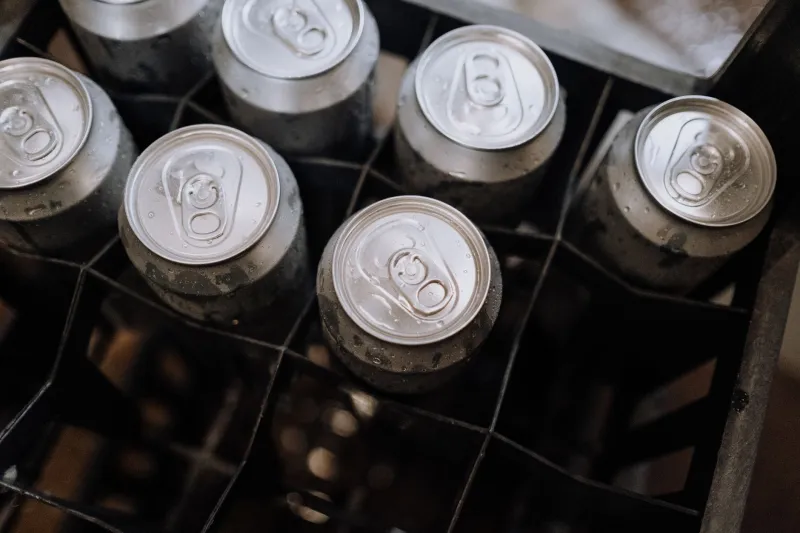
A 330ml can is roughly 350g. Two of them is a spare fleece you did not need. The mistake is clipping a tin to the outside of the pack where it freezes, rattles and gets dented by a stile. Wrap it in the spare layer you are carrying anyway, put it at the bottom, and accept that it will be cold when you open it. Cold suppresses aroma; a spiced tin at 3°C tastes like fizzy water with a rumour of cinnamon. If you want the warming notes to show, carry the can against the small of your back in a dry bag for the last hour, or accept that the flask is for tea and the tin is for the car park.
Packability is the quiet advantage. Cans are stackable, unbreakable and lighter than glass. A 250ml slim can is the sensible unit for a winter day: enough for a toast, not enough to turn a descent into a stagger. Leave the cream-based tins at home — cold and shaken, they separate into something that looks like a mistake.
Low-ABV, dry and spiced: the shortlist
The best walking tin is not the strongest one. Look for 2% to 4% ABV, a dry finish, and spice that tastes like ginger, clove or star anise rather than a candle shop. High-sugar tins feel heavy in the pack and heavier on the stomach at the fourth stile. Bitter, dry, low-alcohol styles are more refreshing after a climb and less likely to send you sideways on wet paving.
Warming spice notes deserve a mention because they do real work in cold air. A ginger-forward highball or a spiced low-alcohol mule reads well at 5°C in a way that a pale, floral spritz does not. But keep it dry. Sweetness plus altitude plus a big coat is a combination that rarely ends well.
Daylight is the real measure, not distance
A winter route in the Peak District can be eight miles and still finish in the dark. Plan tins around the finish, not the summit. One small can per person for the last mile is a sensible default; two is a decision you may regret on the drive home. Drink water on the way round. The tin is not hydration, and a cold beer-style cocktail at the top of a windy ridge is a quick way to feel the cold rather than forget it.
From Peak lay-bys to Lakes pub stops
The lay-by at Edale, the car park above Castleton, the wide pull-in near Hawes: these are the natural habitats of the last-mile tin. In the Lakes, the calculation changes because the pub is often closer than the car. If the George or the Bridge or the Old Dungeon Ghyll is open when you come down, the pub wins. A warm room, a proper glass and a landlord who knows what a wet coat looks like are worth more than the two quid you saved.
The tin is a fallback for the 4pm darkness, the shut kitchen and the car park that is twenty minutes from anywhere. It is not a replacement for the pub; it is what you drink while you argue about whether to go in.
Leave no trace means the can goes home
Empty cans do not go in the dry stone wall, the heather or the bin that may or may not exist at the car park. Carry a small bag for empties, keep them separate from your spare layers, and take them home to recycle. Do not crush them and leave them on the wall like a tiny monument to poor decisions. If you would not carry it up, do not leave it down.
The pint-or-tin debate, settled for now
There are two camps. Camp one says the post-walk pint is part of the walk: it supports the local pub, it warms you through and it is social. Camp two says the tin in the car park is quicker, cheaper and gets you home before the A-road fills with lorries. Both are right, which is why the handover works. Tin on the descent, pint at the end if the pub is open. If you are driving, the tin waits until you are home and the keys are on the hook.
A short kit list
A 250ml low-ABV tin per person, a dry bag, a spare layer, water, a bag for empties, and no bottle opener — most cans have a ring pull and the one you brought will be lost by the second stile. That is the whole system. It weighs less than a flask and it makes the last mile feel like a plan rather than a trudge.
Winter walking in the North is mostly about managing cold, light and expectation. A small, dry, low-alcohol tin at the right moment does all three. Just do not call it a summit drink. The summit is for the view and the photograph; the tin is for the bit where your legs remember the car park.