What the Chiller Says: A Corner-Shop Census of Northern Drinking in 2026
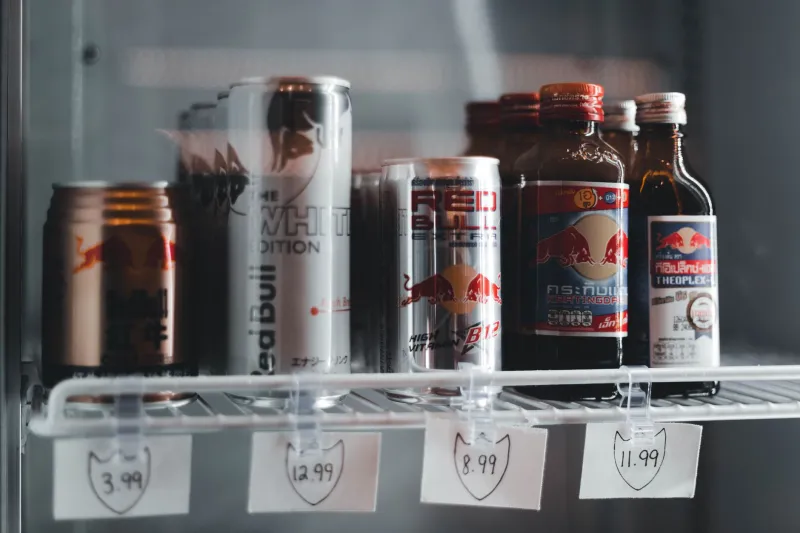
Walk into an independent corner shop on a wet Tuesday in Sheffield and the chiller is not trying to impress you. It is trying to pay the rent. That is why it is one of the most honest documents we have about how the UK drinks now. There is no brand workshop behind that fridge. There is a buyer, a wholesaler, a few square feet of shelf space and a stream of customers who will not spend £4 on a can they do not trust.
Over the past few months I have made a habit of looking at the canned cocktail and low-alcohol ranges in independent shops and off-licences across northern cities. This is not a scientific survey. It is a census of chiller doors, price stickers and the odd handwritten sign. But the patterns are hard to ignore.
The chiller is a small, ruthless edit
Supermarkets can give a product a national launch and a pallet display. A corner shop cannot. It has to decide whether a can deserves a slot next to the lager, the meal-deal sandwiches and the milk. That makes the local chiller a useful reality check. If a canned cocktail is still there in 2026, it is probably not because of a viral campaign. It is because someone keeps buying it.
The same goes for low-alcohol. A few years ago, alcohol-free beer was often a dusty afterthought at the bottom of the fridge. Now it is more likely to be at eye level, next to the full-strength stuff. That is not just a health trend. It is a commercial decision. Shops stock what moves.
Sheffield: dry, tidy and quietly low
In Sheffield, the chiller often feels practical rather than flashy. You see session IPAs, local brewery cans, a row of 0.0% lagers and canned cocktails that are tucked in without much ceremony. The city's drinking culture is not built around novelty. It is built around pubs, clubs and a certain no-nonsense approach. The cans reflect that: dry, citrusy, not too sweet.
The low-alcohol range in Sheffield is not always huge, but it is usually considered. There is a sense that a 0.5% option should taste like a drink, not a punishment. That sounds like a low bar. In reality, it is the bar that many brands still fail to clear.
Liverpool: the sweet tooth and the big night
Liverpool's chiller tells a different story. The city has a long, loud relationship with a night out, and the cans reflect that. You are more likely to see sweeter RTDs, rum-based drinks and tropical flavours sharing space with the low-alcohol options. The premium cans sit near the counter, where they can catch an impulse buy before a taxi.
That is not a criticism. It is a portrait of a city that uses canned drinks as part of the night, not as a replacement for it. The interesting shift is that even in the sweeter end of the fridge, you now see smaller cans and lower-ABV versions. The big night is still there. It is just being paced differently.
Newcastle: bigger cans, sharper prices
In Newcastle, the chiller can feel like a value proposition. Multipacks are prominent. Price stickers are sharp. There is still a strong market for bigger cans and familiar lager brands, but the low-alcohol shelf is growing, often near the till rather than hidden away. The city's reputation for a big night out is well earned, but the fridge is more nuanced than the stereotype.
What stands out is the range of occasions. A can might be for the walk home, for the match, for a quiet night in or for pre-drinks. The same chiller has to serve all of them. That is why you see a mix of 0.0% options, full-strength favourites and canned cocktails that are neither one thing nor the other.
Smaller towns: the value test
Drive out of the cities and the chiller becomes even more honest. In smaller towns, price sensitivity is not an abstract concept. It is a £2 sticker on a can that has to compete with a multipack of lager. The low-alcohol range may be smaller, but it is there. The canned cocktail may be a single flavour rather than a whole shelf.
This is where the gap between marketing and reality is widest. Brands talk about premiumisation and experimentation. The small-town chiller talks about whether a customer will pay 50p more for a nicer can. Often, the answer is no. That does not mean people do not care about quality. It means they are making a calculation with a budget.
What this tells us about 2026
The big story is not that everyone has gone alcohol-free. It is that the chiller has become a place of negotiation. People are buying lower-ABV cans, smaller formats and alcohol-free options alongside the full-strength favourites. They are drinking less, or drinking differently, but they are not necessarily drinking less often. The can is doing more work than it used to.
Canned cocktails have moved from novelty to background infrastructure. They are no longer a joke product at the back of the fridge. They are a practical option for a night in, a picnic, a train journey or a works do. The local chiller knows this because it has no choice but to know it.
The limits of the census
I am not claiming that a few fridge doors in Sheffield, Liverpool, Newcastle and a handful of towns add up to a national study. They do not. A chiller is shaped by the wholesaler, the shopkeeper's taste and the local demographic. But that is exactly why it is worth looking at. It is not a focus group. It is a shop trying to make a living.
If you want to know how the UK drinks in 2026, do not just read the brand press releases. Look in the chiller. The answer is there, next to the milk, the meal deal and the last can of 0.0% lager.