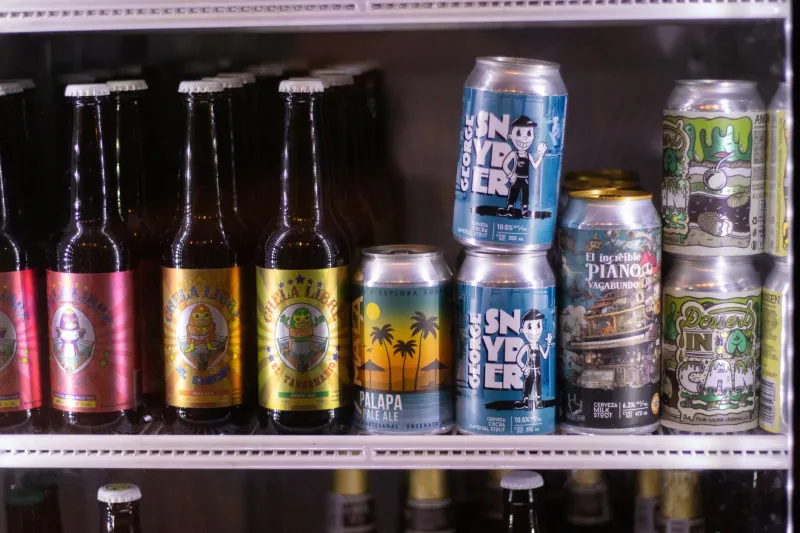
The Half-Time Tin: Inside the Northern Clubhouse Chiller
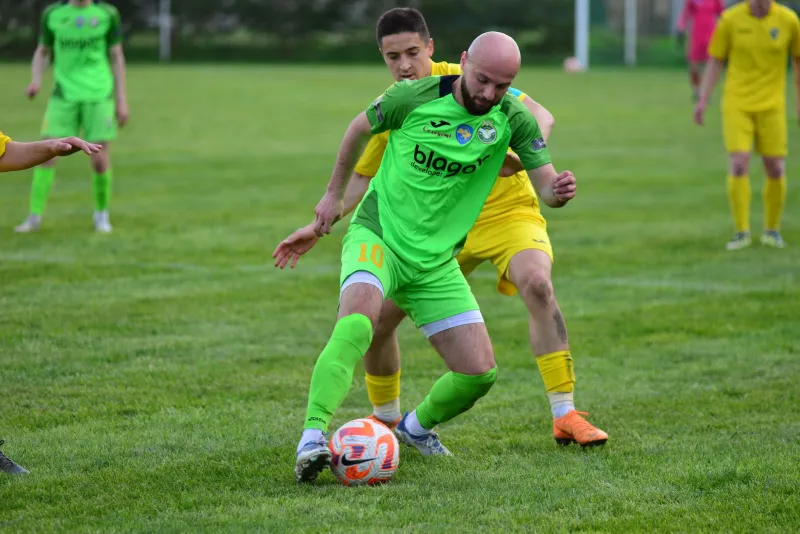
There is a particular sound to a Northern clubhouse at twenty to three. The urn is threatening to boil, someone is trying to find the key to the away dressing room, and a volunteer is crouched behind the bar working out whether there are enough cans to get through half-time. It is not the polished hush of a city cocktail bar. It is better than that: a room with muddy boots by the door and a raffle table by the window.
Canned cocktails and low-alcohol RTDs are turning up in these rooms more often now. Not as a hostile takeover of the pint, and not as a wellness lecture delivered through a fridge door. More as a practical answer to a practical question: how does a club bar serve a changing crowd without asking volunteers to become mixologists?
Why the tin makes sense behind the clubhouse bar
A clubhouse bar is a small business run by people who already have another job, a pitch to mark, and a tea urn to manage. Anything that slows the queue has to justify itself. A can does. It is cold, sealed, easy to count, and simple to hand over. There is no glass to collect from the side of the pitch, no half-finished jug going flat, and no training session on ratios.
That matters at half-time, when the queue arrives all at once and leaves just as quickly. A volunteer can pull a can from the chiller and take payment while the next person is already asking for change. For a club trying to make a few hundred pounds on a Saturday, that speed is not a luxury. It is the whole point.
The other advantage is waste. A clubhouse might be busy from one until four and quiet by five. Cans keep. Bottles of spirit and mixers do not disappear, but they take up shelf space and require a certain confidence behind the bar. A small range of tins lets a club test what sells without committing to a full cocktail menu nobody asked for.
The queue test
You can learn a lot about a club bar by watching the half-time queue. A well-run one has a clear chiller, a visible price list, and someone who knows which cans are low-alcohol and which are full strength. A poorly run one has a fridge full of unlabelled promise and a volunteer saying, “I think the pink one is gin.”
That is not a knock on volunteers. It is a knock on suppliers and clubs that treat RTDs as an afterthought. If a can is going to sit alongside lager and stout, it needs the same basic discipline: know what it is, know what it costs, and know who it is for.
Non-league football and rugby clubs also have a mixed crowd in the best sense. There are people who want a pint, people who are driving, people who are watching what they drink, and people who simply fancy something different at half-time. A canned cocktail or a low-alcohol serve can sit in that gap without demanding a ceremony.
The price of a pint and the price of a tin
Price is where the conversation gets honest. A clubhouse is not a city centre bar, and it cannot pretend to be. Supporters will tolerate a fair mark-up because they know the money is going back into the club. They will not tolerate feeling taken for granted.
In 2026, the sensible clubs are treating canned cocktails as a mid-range option, not a premium novelty. If a tin costs more than a pint, it needs to earn that gap with a decent liquid, a clear strength label, and a reason to choose it. If it is priced alongside a soft drink, it can become an easy swap for someone who wants something more interesting than cola but less than a full-strength pint.
There is also the responsible-drinking question, which clubhouses are often better at handling than they get credit for. A volunteer who has served the same faces for years knows when to say no. The advantage of a can is that the strength is printed on it. The disadvantage is that it can look like a soft drink. Clubs that do this well keep low-alcohol and full-strength cans apart, label the chiller clearly, and make water just as easy to find.
A changing crowd, not a changing club
The clubhouse identity does not need protecting from a few cans in the fridge. It needs protecting from anything that makes the room feel less like itself. A canned cocktail is not going to ruin a place built on fifty-fifty draws and junior training sessions. But a badly chosen range can make a bar feel like it is trying too hard.
The clubs getting it right are the ones choosing a small, coherent selection: a low-alcohol spritz or gin serve, a proper full-strength cocktail for the curious, and perhaps one local or regional producer if they can get it. They are not trying to recreate a city bar. They are trying to give the person who does not want a pint something decent to hold while the second half kicks off.
That is a modest ambition, and it is the right one. The clubhouse chiller is not a revolution. It is a fridge doing its job a little better.
The field guide: what a well-run Northern club bar looks like in late 2026
- A visible price list. No one should have to guess what a can costs while the queue builds behind them.
- Clear strength labelling. Low-alcohol and full-strength cans kept apart, with ABV easy to read.
- A short range. Two or three well-chosen options beat a chiller full of unloved experiments.
- Water within reach. Free tap water or a jug on the bar, not hidden behind the crisps.
- A volunteer who knows the stock. “The blue one is alcohol-free” is a good sentence. “I think so” is not.
- Cans that suit the room. Nothing too precious, nothing too sweet, nothing that needs a garnish to make sense.
- A fair price. Cheap enough to be a matchday choice, dear enough to put something back into the club.
- A clean, cold chiller. The least glamorous item on this list and the one that matters most.
At full-time, the clubhouse fills again. Someone is counting the takings, someone is mopping the floor, and the last few cans are going back into the fridge for next week. It is not a cocktail bar. It is a football club, a rugby club, a village hall with a scoreboard. But the tin fits. And in 2026, that is exactly why it is there.