The Backbone Test: Why Bitter, Dry Tins Deserve the Northern Chiller in 2026
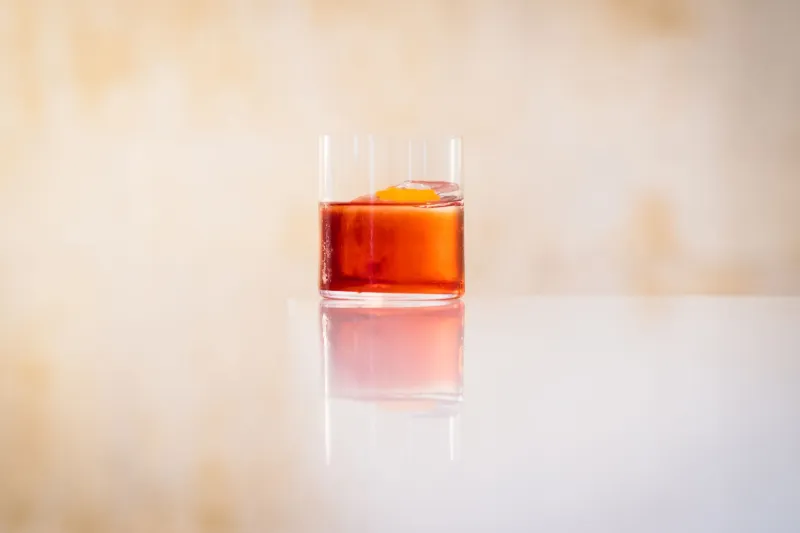
Canned cocktails have spent the past few years learning how to dress. They have better typography now, tidier colour palettes and copy that talks about “crafted serves” rather than “party juice”. Lovely. But open a fair few of them and the old problem is still there: sugar doing the heavy lifting, flavour standing around pretending to help. For all the polish, plenty of tins remain alcopops in a smarter jacket.
That is not a sneer at sweetness. A good drink can be sweet. The issue is when sweetness is the only thing holding the drink together. In 2026, with more low-and-no options, more food-led drinking and more people treating a tin as part of a meal rather than a prelude to one, the northern palate is ready for something with a bit more grip. Less pudding. More punch. More backbone.
The sweetness problem, in plain terms
A canned cocktail has a hard job. It has to survive a chiller, a bag, a train seat and the general indignity of being opened somewhere that is not a bar. Sugar is a useful crutch: it carries aroma, rounds off rough edges and makes a drink feel generous even when the base spirit is doing very little. But it also flattens contrast. Too much of it and a negroni starts tasting like a herbal sweet, a spritz like orange squash with a hangover, a martini like a rumour of gin.
You notice it most when you drink alongside food. A sweet, syrupy tin can bully a decent pie. It can make a salt-and-vinegar crisp taste oddly metallic. It can turn a Sunday roast into a sugar-and-gravy confusion. The North has never been short of big flavours, but big does not mean sweet. There is a reason bitter, dry and tonic-led drinks have stayed close to the northern table: they cut through. They refresh. They let the next mouthful taste like itself.
Tasting the bitter end of the chiller
I spent a recent afternoon working through the bitter end of the canned drinks shelf — not as a formal lab test, more as a long, sober-minded audit with a notepad, a glass of water and a growing suspicion of anything described as “velvety”. The categories were simple: negroni, spritz, dry martini and tonic-led serves.
The negroni styles were the most revealing. The best had a proper bitter edge, a savoury vermouth note and a finish that did not collapse into orange cordial. They tasted like a drink with a spine. The weakest were essentially sweet vermouth with a herbal top note, pleasant for two sips and exhausting by the halfway mark. A negroni should make you think about the next sip, not about whether you have the stamina for it.
Spritzes split neatly in two. The good ones were dry, saline, almost savoury, with bitterness arriving after the citrus rather than being buried under it. The bad ones were fizzy pop for adults, all peach and perfume. A spritz does not need to be austere, but it does need a bitter centre. Without that, it is just a fruit drink with a passport.
Dry martini in a can is a harder trick. The best examples were tight, cold and botanical, with a clean saline finish and no suggestion of sweetness. They are not session drinks, and they should not pretend to be. The weakest tasted like gin diluted with something apologetic. A martini should feel precise. If it feels like a dessert, something has gone wrong.
Tonic-led serves were the quiet winners. Quinine is a northern ally: bitter, clean and built for food. A canned gin and tonic or a vermouth and tonic lives or dies on that bitterness. When it is there, the drink feels brisk and grown-up. When it is not, you are drinking a soft drink with a secret.
Why the northern table wants backbone
There is a practical argument here, and it has nothing to do with being worthy. Bitter drinks are better with the food we actually eat. A meat and potato pie, a chip-shop tea, a roast with too many potatoes and not enough gravy discipline, a Friday curry, a Saturday sandwich eaten over the sink: these are not dishes that need a can of pudding alongside them. They need cut. They need lift. They need a drink that clears the palate rather than coating it.
That is the northern backbone in a sentence. It is not about being tough or austere. It is about balance with a bit of edge. A dry spritz with a bowl of olives is a better use of a tin than a sugary tropical number with a slice of cake. A bitter negroni with a plate of something salty and rich makes more sense than a caramel-coloured drink that tastes like the pudding course already arrived.
And in 2026, more drinkers are doing exactly that: treating a can as part of the table, not a substitute for a night out. The growth in lower-abv options, the interest in aperitivo-style drinking and the simple fact that people are buying tins for home meals have all pushed the same way. The chiller is no longer just a festival cooler. It is a fridge shelf with opinions.
The case against pudding in a can
None of this is an argument against flavour. Bitter does not mean bland. A good bitter tin can be herbal, citrusy, saline and aromatic all at once. It can be fun. It can be refreshing. It can even be a bit of a treat. But it should not taste like the drink was designed to hide the alcohol under a blanket of sugar and then hope for the best.
The tell is simple. If you finish a tin and immediately want a glass of water to reset your palate, the drink is probably too sweet. If you finish it and start thinking about what you might eat next, it is probably doing its job. That is the test I keep coming back to: not whether a canned cocktail is impressive on its own, but whether it makes the next thing taste better.
What the next wave should do
If the next wave of northern RTDs wants to grow up properly, it should lean drier, bitterer and more food-friendly. That means clearer specs on the tin, honest bitterness, less reliance on syrup and more attention to salinity, carbonation and finish. It means drinks designed for a table, not just a car journey. It means accepting that not every can needs to appeal to someone who says they “don’t really like the taste of alcohol”.
There is room for both, of course. Sweet tins will always have a place at a party, a picnic or a quiet night when the mood is soft. But the North’s best drinking has always had a bit of grit about it: a dry edge, a bitter note, a proper finish. The chiller in 2026 should reflect that. Less pudding. More punch. More backbone.