Bring a Chair, Bring a Tin: The Quiet Revival of the Village Hall Night Out

On a Saturday night in a village hall somewhere between Skipton and Kendal, the furniture is plastic, the lighting is fluorescent, and the raffle tickets are on a trestle table next to a plate of fairy cakes. There is also a cool box. Inside it, among the lagers and the lemonade, are cans of gin and tonic, a low-alcohol spritz and a couple of espresso martinis. This is not a festival. It is the village hall social, and it has quietly changed.
From tea urn to cool box
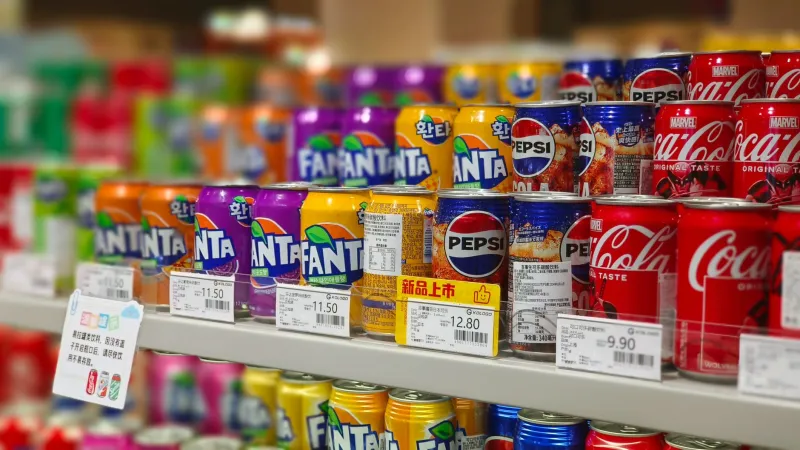
Village halls have always been adaptable. They host jumble sales, polling stations, pilates classes and birthday parties. But the community do — the fundraiser, the cricket club social, the family party after a christening — has traditionally depended on a bar. Either you hired one, or you asked a local pub to run a temporary setup, or you accepted that the drinks would be warm white wine and a barrel of bitter. In 2026, a growing number of organisers are choosing a third way: a well-stocked cool box of canned drinks.
The reasons are practical. A full bar needs licensing, staff, optics, glassware and a person sober enough to run it. A village hall committee is usually a small group of volunteers who are already selling raffle tickets and unloading chairs. Cans remove the need for a cellar, a till and a glass washer. They also make low-alcohol options easy: if someone wants a 2% spritz instead of a pint, they can take a can from the box without a conversation about measures.
The economics of a plastic table
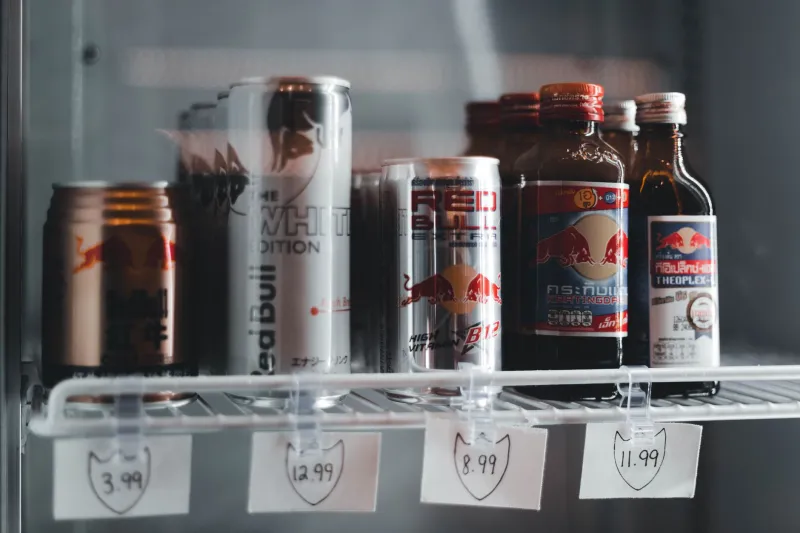
For community events, the numbers matter. A temporary bar can take a chunk of the takings. Cans bought wholesale or from a local maker can be sold at a modest margin, and any leftovers can go back into the fridge for the next event. That is not a glamorous story, but it is the story of how village halls survive. The cricket club social that used to rely on a donated barrel now has a box of tins with a handwritten sign: 'Please put £4 in the honesty tin.' It is not perfect, but it works.
Local suppliers have noticed. A Cumbrian drinks maker now supplies low-alcohol spritz cans to village halls and community shops. A Lancashire farm shop sells mixed cases for parties. In Northumberland, a cricket club committee bought a mixed case from a local brewery and found that the low-alcohol options sold out first. These are small stories, but they add up to a different kind of night out: less formal, more flexible and considerably easier to organise.
The etiquette of the tin
Drinking from a can at a plastic-table event has its own codes. The first is that you bring something to share if you can. A box of tins is a communal resource, not a personal stash. The second is that you do not take the last of the good ones without asking. The third is that you clear up your own empties. The fourth is that you do not treat the hall like a festival: the music ends at eleven, the chairs need stacking, and someone has to lock up.
Low-alcohol cans have made this easier. They let people pace themselves, drive home, or join in without drinking much. They also remove the slight awkwardness of being the person with a soft drink at a do where everyone else has a pint. A 2% spritz in a nice can looks like a choice, not a concession.
What good looks like
The best village hall drinks setup is not trying to be a cocktail bar. It is a cool box with a clear label, a stack of reusable plastic glasses, a bin bag and a sign explaining the honesty box. It has a mix of strengths: a classic gin and tonic, a rum and cola, a low-alcohol option, maybe a negroni for the person who wants something bitter. It has water. It has a few soft drinks. And it has someone who knows how to open a can without spraying it across the raffle.
The village hall happy hour is not about glamour. It is about convenience, affordability and the quiet pleasure of a decent drink in an unpromising room. It is a northern tradition of making do, improved by better tins. And if the tea urn is still on, so much the better.