Crema, Cans and the North's Coffee Habit: Inside the Espresso Martini Tin Boom
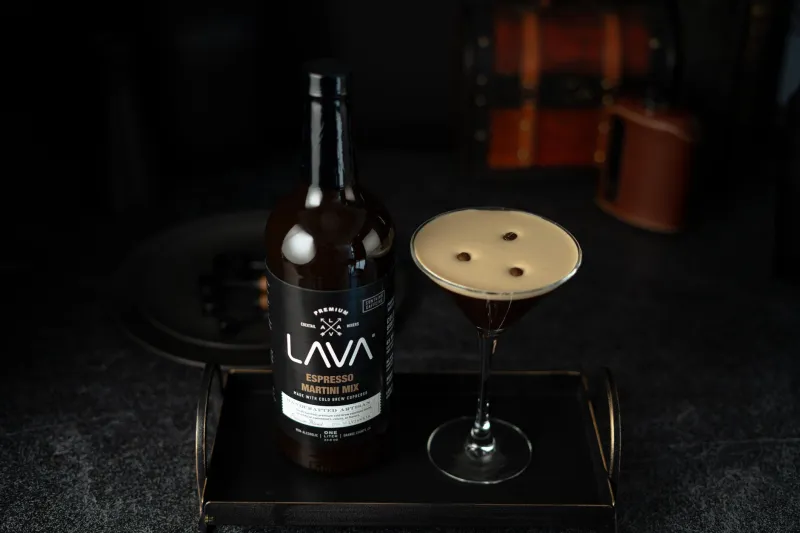
Order an espresso martini in a Northern bar and you can usually tell what kind of night you are in for. There is the theatrical version: three tins of ice, a shaker that sounds like a rattled toolbox, a foam collar thick enough to stand a spoon in. Then there is the quieter version arriving in 2026, pulled from a chiller in a corner shop or a railway station M&S and cracked open at home. The espresso martini has become a canned drink, and the North is busy making some of the better ones.
That is not as odd as it first sounds. The region has a serious coffee habit, from the roasteries tucked behind Manchester's Northern Quarter to the Saturday queue outside a Sheffield coffee bar. It also has a healthy population of small distilleries making gin, vodka and coffee liqueur. Put those two things together and the canned espresso martini stops being a novelty imported from a big drinks group. It becomes a collaboration between people who know extraction and people who know ABV.
Why the North got here first
Canned cocktails have spent years fighting a reputation problem. Too sweet, too fizzy, too much like a pre-mixed alcopop wearing a grown-up label. Espresso martinis sidestep some of that because the drink already has a strong, bitter, grown-up flavour. Coffee hides a multitude of sins. It also gives the can a reason to exist: people want the ritual without the shaker, the ice, the sticky worktop and the espresso machine.
The northern angle is credibility. A roastery putting its name on a tin is putting its beans on the line. If the coffee tastes thin or burnt, it is not just a bad RTD; it is a bad advert for the roastery. That has raised the standard. In 2026, the better tins name the origin, the roaster and sometimes the blend. They taste like coffee rather than coffee-flavoured syrup.
What the tins are actually like
We chilled a handful of northern-made tins and poured them into small glasses, the way you would at home if you were making an effort. The range was wider than expected. A Manchester roaster collaboration was bright and slightly fruity, with a crema that faded quickly but a clean finish. A Leeds distillery's version leaned darker and boozier, closer to a dessert drink, with a thick, almost mousse-like head. A Sheffield coffee collective's tin was the most restrained: lower ABV, less sugar, more of a cold-brew character. A Newcastle roastery's take had a pleasing bitter edge and a proper coffee aroma when opened. A Liverpool limited run was the sweetest of the bunch, pleasant but closer to iced coffee with a kick.
None of them were undrinkable. That alone is progress. The weakest were the ones that tasted like a coffee liqueur milkshake: all sugar, no roast, the alcohol hidden under vanilla. The best had a clear coffee identity and enough bitterness to stop the whole thing collapsing into pudding.
Crema is not the whole story
A canned espresso martini lives or dies on its crema. It is the first thing you see and the first thing that tells you whether the liquid underneath has any body. Some tins get there with nitrogen, some with oat milk or a similar emulsifier, some with a carefully calibrated dose of coffee solids. The crema can look brilliant and still taste of nothing. A thick foam is not a guarantee of quality; it is a cosmetic trick that happens to be part of the drink's DNA.
The better tins have a crema that behaves like the real thing: it settles, it leaves a little lacing on the glass, and it does not taste like bubble bath. The worse ones have a foam that sits there like washing-up liquid. If you are buying for a party, pour one into a glass first. It will tell you more than the can design ever will.
What to look for before you buy
Start with the coffee. A named roastery is a good sign. So is an origin, a process or a blend description. You do not need a dissertation on the back of a can, but if it says nothing beyond coffee flavour, treat it as a warning. Bean origin matters less than freshness and roast style, but it tells you whether the maker is thinking about coffee or just using it as a colour.
Then look at ABV. Canned espresso martinis sit anywhere from about 4% to 10%, with plenty in the 5% to 7% range. Lower ABV can work well if the coffee is strong enough. Higher ABV needs more bitterness and less sugar to carry it. A 10% tin that tastes like syrup is a one-way ticket to a sore head.
Sugar is the next tell. Coffee liqueur brings sweetness; so does added sugar. A little is necessary for balance, but the best tins taste like coffee first and sweetness second. If the ingredients list reads like a dessert, expect a dessert.
Finally, ignore the serving suggestion if it tells you to shake a can. You do not need to shake a can. Chill it properly, pour it into a glass, and give it a moment. A couple of coffee beans on top are optional but do make it feel less like a train drink.
Can a tin ever match a fresh pull?
No, not quite. A fresh espresso martini has volatile aromatics that disappear the moment you seal a can. It has texture from freshly made espresso and a temperature you can control. A tin is a different drink: more consistent, more portable, less aromatic. The best northern tins get close enough to be enjoyable in their own right. They do not replace the bar version; they replace the mediocre one you might otherwise drink from a plastic glass at a festival.
The more interesting question is where this goes next. Coffee roasters have already proved they can make a credible canned espresso martini. The next step is likely to be more specific: single-origin tins, lower-alcohol versions designed for a second round, and collaborations with northern bars that put their own name on the can. The North has the coffee, the distilleries and the drinking culture. A proper espresso martini in a tin is no longer a gimmick. It is just a decent drink in a convenient format, which is exactly what the ready-to-drink aisle needed.