The Plot Thickens: What to Drink When the Weeding's Done
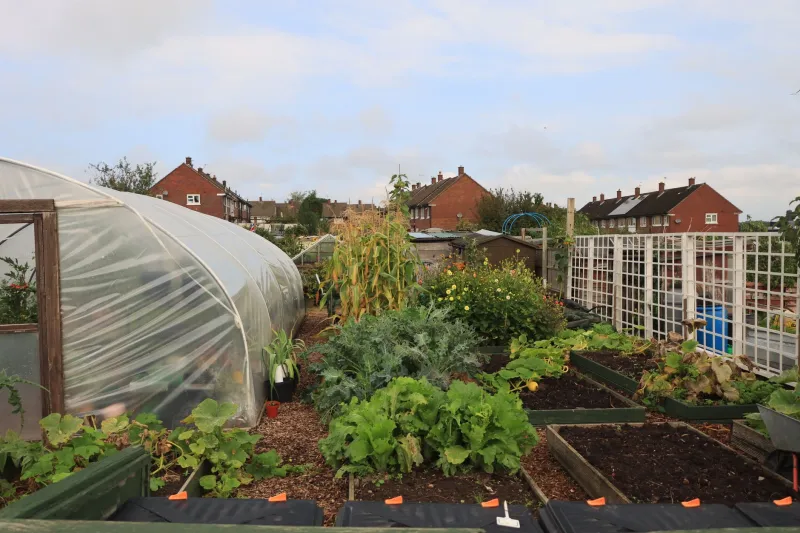
There is a particular hour on a northern allotment site that doesn't get enough credit. The gates are still open, the light has gone soft, and the day's real work is done: the leeks are watered, the brassica net is secured, and someone has dragged a plastic chair into the doorway of a shed. This is when the plot becomes a bar. Not a loud one, not a fancy one — just a place where a person can sit with a cold tin and listen to the site go quiet.
The rise of canned cocktails and low-alcohol RTDs has found an unlikely home here. Garden centres, festival fields and city terraces have had their moment, but the allotment shed may be the north's most underrated aperitivo setting. It comes with seasonal produce, a built-in community and a natural instinct for moderation: most people on the plot have driven there, or have a bus to catch, or simply want to be useful again tomorrow morning. In 2026, the question isn't whether a tin belongs beside the watering can. It's which one earns its place.
The Shed as the North's Smallest Bar
Allotment culture has always been about more than vegetables. It is a social system with its own rules, its own gossip network and its own hospitality. A shed is not just storage; it is a shelter, a kettle station and, increasingly, a place to sit with a drink while a neighbour leans on the fence and reviews the tomato situation.
What makes the plot work as an aperitivo bar is the timing. Unlike a pub, there is no pressure to move on or order again. Unlike a restaurant, there is no menu to navigate. The drink is a marker that the shift has ended. A canned cocktail — already mixed, already measured, already cold if you've planned ahead — fits that ritual neatly. It is also easy to carry, easy to pack away and, importantly, easy to do without glass. Many sites have sensible rules about glass near growing beds, and a tin is simply less of a liability when the ground is uneven and the light is going.
What Earns a Place Beside the Watering Can
The plot is not a place for a showy drink. It is a place for something refreshing, not too sweet, and steady enough to last a conversation. The best garden tins tend to share a few qualities.
First, restraint. A 2% to 4% ABV tin suits the setting because the point is the pause, not the punch. Second, clarity. Herbal, citrus-forward or gently bitter flavours work better than heavy cream or dessert-style serves, which can feel out of step with a warm evening and a bag of runner beans. Third, a clean finish. If you are going to pinch a few raspberries or chew a sprig of mint from the herb bed, you don't want a drink that coats the mouth and argues with them.
There is also the practical question of temperature. A shed shelf is not a fridge. A tin that survives half an hour in shade without turning syrupy is worth more than one that demands a cooler bag and a prayer. Insulated totes are now standard kit on many plots, and a small cool bag with a frozen block is plenty for a couple of tins.
Pairing by Plot: Rhubarb, Herbs and the Honest Tomato
The allotment gives you a flavour palette whether you plan for it or not. In the north, that palette has a particular character: sharp fruit, hardy herbs, earthy roots and the honest, faintly acidic tang of a tomato that has actually seen the sun.
Rhubarb is the obvious northern anchor. The Rhubarb Triangle near Wakefield has a long history, and plenty of plots grow a few crowns for crumbles and cordials. A rhubarb-forward canned cocktail — or a low-alcohol rhubarb spritz — sits well with a shed-side plate of cheese, oatcakes and a few sticks of the stuff dipped in sugar. The tartness cuts through, and the drink's own sweetness stays in check.
Herbs are the other reliable match. Mint, lemon balm, thyme and rosemary all grow happily in pots or bed ends, and they flatter a herbal or citrus-led tin. A rosemary sprig dropped into a low-alcohol gin-style can is not a cocktail-bar affectation; it's just what's nearby. The same goes for a leaf of lemon balm beside a citrus highball. The pairing is less about precision and more about what the plot is offering that week.
Tomatoes deserve a mention because they are often the moment the plot starts to feel generous. A bitter-orange or gentian-forward spritz tin, served cold, works surprisingly well with a handful of small tomatoes and a little salt. The bitterness lifts the fruit's sweetness, and the drink's fizz keeps the whole thing light. It is not a combination you'd find on a laminated menu. It is better than that.
The Moderation Angle
The plot is a naturally moderate place, and the drinks that suit it tend to reflect that. Lots of allotment holders are driving, cycling or walking home in the dark. Others are on medication, watching their intake or simply keen to be up early. The rise of 2% and 3% tins has made the shed-side drink feel less like a session and more like a proper pause.
That's a healthy shift. The point of a garden tin is not to recreate a night out in a field. It is to have something cold and well-made that marks the end of the day without taking the next morning off you. A lower-strength serve also makes it easier to have one and stop, which is the sort of behaviour allotment committees tend to appreciate.
Shed etiquette matters too. Take your rubbish home, don't leave cans on the comfrey patch, and don't assume everyone wants to join in. The best plot drinks culture is quiet and inclusive: a nod, a top-up from a flask of tea for whoever's driving, and no fuss either way.
A Short Field Guide for the Plot in 2026
If you're building a plot-side routine this year, keep it simple. Chill the tins before you go and carry them in a small insulated bag. Bring a cup — a tin can be sipped from, but a cup makes it feel like a drink rather than a rush. Choose one or two styles that suit the season: herbal and citrus in summer, something a bit more bitter in autumn when the plot turns to roots and leaves. And keep the strength modest; a 2% to 4% tin is the sweet spot for a post-weeding wind-down.
Pair with what you've grown or what a neighbour has pressed on you. A few radishes, a tomato, a sprig of mint, a bit of cheese. The plot does the rest.
Last Orders at the Gate
The allotment shed won't replace the pub, and it isn't trying to. It's a different kind of northern drinking place: quieter, greener, and more provisional. But that's exactly why the canned cocktail fits. It travels well, behaves itself in the company of vegetables, and asks nothing more than a cold spot and a free hand.
When the watering can is empty and the gate is still open, a good tin is a decent way to say the day is done. The plot has always been about making something out of a small space. A drink beside the shed is just another version of that.