What’s Cold When Company Calls: Field Notes from the Northern Emergency Drinks Shelf
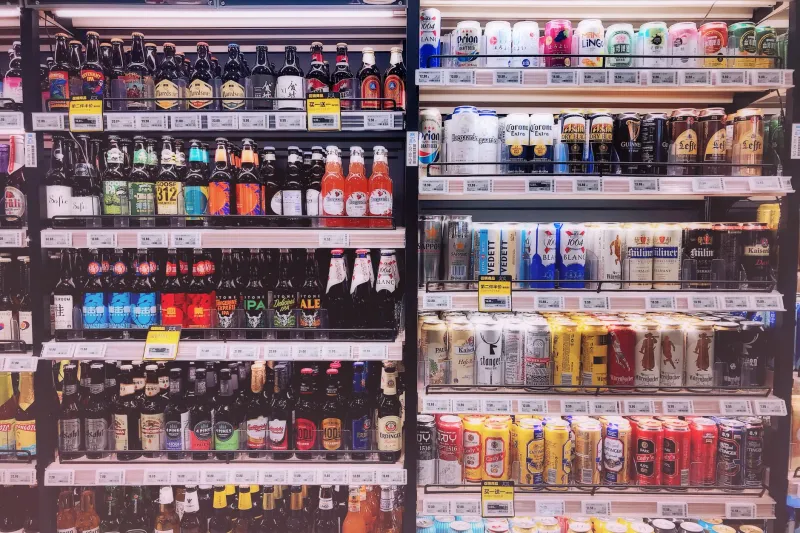
There is a particular kind of northern fridge that has never seen a lettuce. It lives in the garage, hums slightly louder than it should, and contains a shelf of cans arranged with the quiet logic of a emergency kit. Not a cellar. Not a bar. Certainly not a statement. It is the backup chiller: the place where a household keeps something cold for the friend who turns up on a Sunday afternoon, the neighbour who returns a drill, the cousin who says they are not stopping and then stops for two hours.
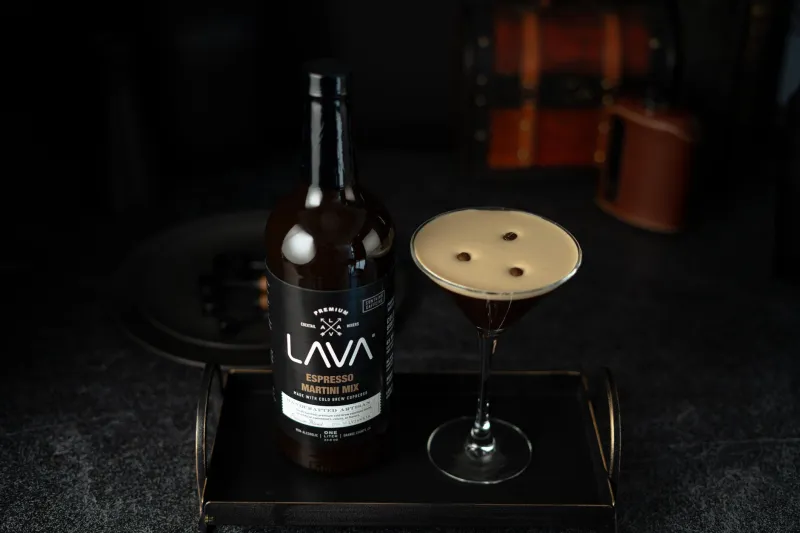
As of November 2026, that shelf has become more interesting than it used to be. The cans on it are not all strong lager and forgotten tonic. They are 2% spritzes, espresso martini tins, alcohol-free pale ale, premixed negroni, ginger ale, a lonely lemonade, and perhaps one proper beer kept for the person who would consider anything else a personal remark. The garage fridge has become a small, honest record of how people are drinking now: less ceremony, more choice, and a stubborn refusal to make a night of it when a can will do.
The fridge that isn’t for food
A quick survey of northern homes - and by survey I mean asking people at bus stops, in kitchens and over garden fences - suggests the backup fridge has three jobs. First, to hold overflow from Christmas, birthdays and the kind of supermarket multibuy that seemed sensible at the time. Second, to keep drinks out of the way of the main fridge, where they would otherwise take up space needed for milk, butter and a tub of something covered in foil. Third, to provide what one Halifax host called 'a cold answer' when someone lands at the door.
That cold answer matters. Northern hospitality has never been about a full cocktail list. It is about making someone feel considered without making them feel like an event. The garage fridge is the practical version of that instinct. It says: I did not know you were coming, but I am not going to hand you a warm can and a look of panic.
The contents are usually less impressive than the impulse. A typical shelf might include a four-pack of something sessionable, two low-alcohol spritz tins left from a barbecue, an espresso martini can bought on offer, a can of tonic, and a stray alcohol-free beer that has been there since a health-conscious phase. In the door: a half-empty bottle of ginger ale, a jar of pickled onions that has migrated, and a freezer bag of ice that has frozen into a single block.
The audit: five tins, one shelf, no performance
The most revealing thing about the backup fridge is not what is expensive. It is what has been bought twice. In 2026, that tends to mean lower-strength drinks and smaller formats. A 2% spritz is not there because the household is making a statement about wellness. It is there because it is pleasant, cold, and does not turn a Tuesday drop-in into a Wednesday problem. An espresso martini tin is there because it feels like a treat without requiring a shaker, a measure or a conversation about coffee beans.
Value comes into it, too. The garage fridge is where supermarket pricing gets audited in private. People know which multipacks are worth it and which are just a lot of sweet liquid in a box. They know the difference between a can that tastes cheap and a can that is cheap. They also know that a guest is more likely to accept a smaller, nicer drink than a large, indifferent one. That is not thrift for its own sake. It is the northern version of good hosting: spend where it shows, save where it does not.
The shelf also has a social hierarchy. There is the good tin for the guest who appreciates it. There is the ordinary tin for the guest who just wants something cold. There is the alcohol-free option for the driver, the pregnant guest, the person who is not drinking this month, or the person who simply does not fancy it. Nobody makes a speech about it. The can is offered, the choice is made, and the conversation carries on. That quiet inclusion is one of the better changes in how people keep drinks at home.
Why the garage fridge is a moderation story
It would be easy to write this off as a story about cheap beer. It is not. The backup fridge is where the shift towards moderation becomes practical rather than promotional. A household that keeps a couple of low-alcohol tins alongside the normal ones is not necessarily drinking less overall. But it is making room for a different kind of occasion: one can, early evening, no fuss, no taxi, no next-day fog.
In 2026, that feels especially northern. There is a long-standing pragmatism here about drink. People are suspicious of anything that sounds like a lecture, but they are also quick to spot when a stronger option is more trouble than it is worth. The garage fridge absorbs that. It lets a host offer something without pushing it. It lets a guest say yes without committing to a session. It lets a Sunday afternoon stay a Sunday afternoon.
The low-alcohol and no-alcohol tins have improved, too, which helps. A few years ago, the alcohol-free options in a backup fridge could feel like a diplomatic gesture rather than a drink anyone actually wanted. Now there are spritzes, pale ales and cocktail-style cans that hold their own against ice and a bit of lemon. That has changed the maths. If the decent option is cold and ready, more people reach for it.
The etiquette of the drop-in
There is an unwritten code to the garage fridge. You do not arrive expecting it. You do not inspect it too closely. You accept what is offered, and if the host says 'there’s some of them low ones in there as well', you understand that this is not a downgrade but a choice. The fridge is not a menu. It is a small act of preparation for the fact that people turn up.
That is why the back-step crate deserves a mention. In winter, some households keep a crate outside the back door because the garage is full or the fridge is ancient. It is not glamorous. It is also not unusual. A cold can retrieved from a crate in a coat, with the door open and the kettle coming on, is a very northern image: practical, slightly chaotic, and entirely without pretence.
What belongs on the shelf in 2026
If you are building or auditing your own emergency shelf, the principles are simple. Keep a mix of strengths. Include at least one alcohol-free option that you would actually drink. Buy cans that taste good cold and do not need a garnish to be pleasant. Do not overstock a drink you only like in theory. And keep a bag of ice in the freezer, because a cold can is only half the job.
The garage fridge test is not about having the most impressive drinks selection. It is about having an answer when someone knocks. In 2026, that answer is more varied than it used to be: a 2% spritz, an espresso martini tin, a decent alcohol-free beer, a proper lager for the purist. The shelf is small, the door is a bit stiff, and the hum is not quite right. But it works. And in the North, that is usually the point.